
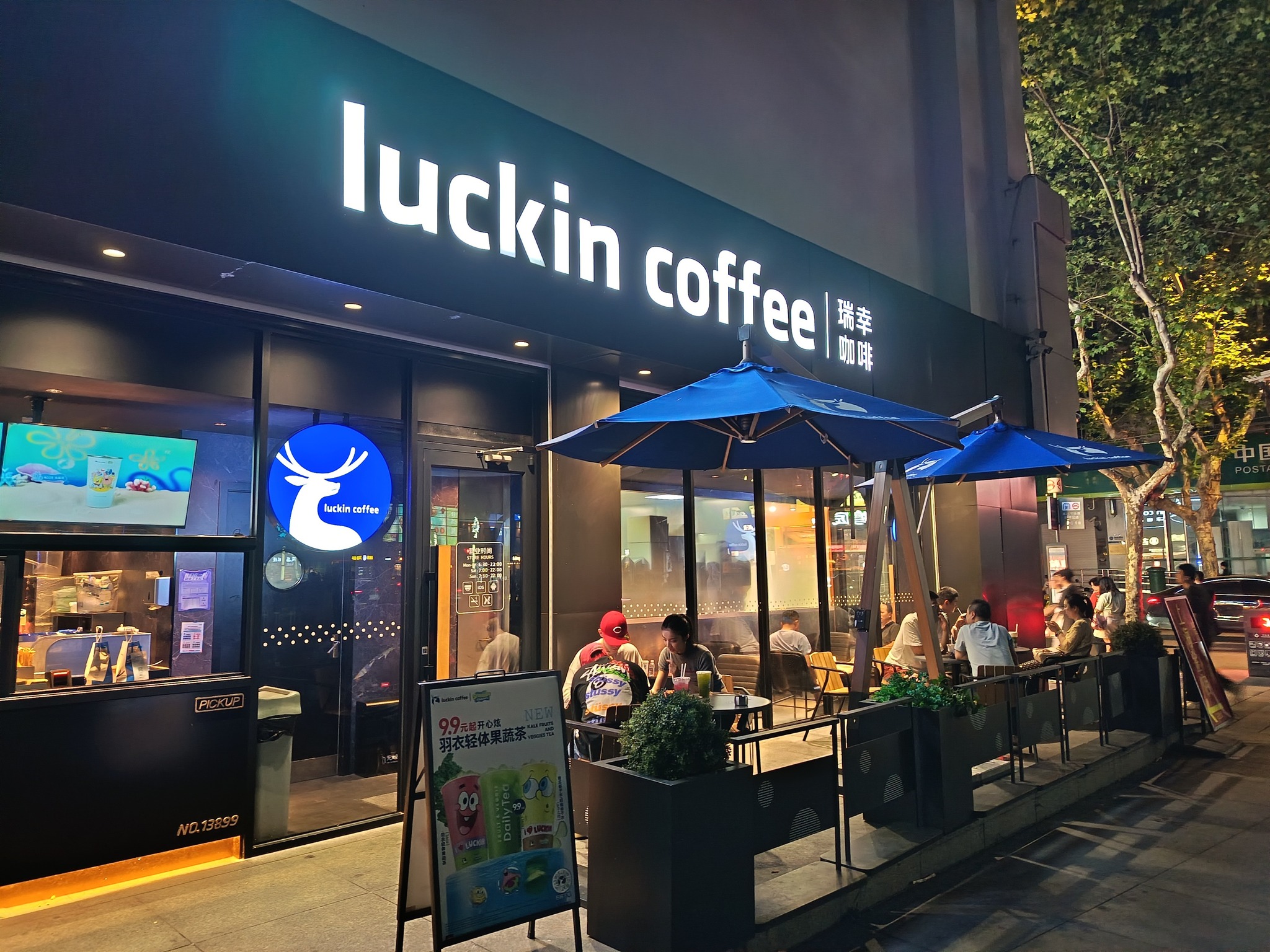
The international coffee sector is undergoing a major structural transformation.
For decades, coffee expansion was dominated by traditional café chains built around large-format stores, premium seating environments, and lifestyle-oriented retail positioning. That approach created globally recognized brands, but it also introduced slower expansion cycles, higher real estate dependency, and significant operational overhead.
A new generation of coffee retail models is now reshaping the industry.
Luckin Coffee has emerged as one of the most closely monitored growth stories in modern beverage retail due to its digitally integrated operating structure, app-based ordering ecosystem, compact-format deployment strategy, and rapid urban scalability.
This shift is attracting increasing attention from:
- investors
- multi-unit operators
- retail developers
- commercial real estate groups
- international expansion partners
- market-entry strategists
The conversation surrounding Luckin Coffee franchise opportunities is no longer limited to coffee demand alone.
It increasingly centers around retail technology, operational scalability, urban convenience culture, and the future of digitally integrated consumer behavior.
Understanding the Luckin Coffee Expansion Model
Luckin Coffee’s rise reflects a broader transition occurring across global retail.
Consumers increasingly prioritize:
- convenience
- speed
- mobile ordering
- delivery integration
- digital payment systems
- app-based loyalty ecosystems
- commuter-friendly retail access
Traditional coffee models were largely built around destination café experiences.
Luckin Coffee’s operational structure aligns more closely with fast-moving urban consumption behavior.
The company’s model emphasizes:
- digital ordering infrastructure
- compact retail deployment
- high-frequency beverage transactions
- delivery compatibility
- technology-enabled customer engagement
- scalable urban penetration
This creates a fundamentally different expansion architecture compared to many legacy coffee chains.
Why the Coffee Franchise Sector Continues Growing
Coffee remains one of the most strategically important consumer categories globally.
Several factors support continued investor and operator interest:
- recurring daily demand
- premium pricing capability
- scalable operational systems
- strong urban consumption frequency
- delivery compatibility
- international growth potential
The global coffee industry also benefits from demographic trends tied to:
- younger consumers
- urban population growth
- mobile-first purchasing behavior
- lifestyle beverage culture
- commuter-driven consumption
As modern cities continue expanding, premium coffee demand remains closely connected to evolving convenience expectations.
This environment creates strong conditions for digitally integrated coffee retail models.
The Rise of App-Based Coffee Consumption
One of the most important developments inside the beverage industry is the normalization of app-led consumer behavior.
Coffee retail increasingly intersects with:
- mobile ordering
- customer retention systems
- delivery infrastructure
- digital promotions
- loyalty ecosystems
- data-driven consumption analysis
This shift changes how coffee brands scale.
Traditional café systems often depended heavily on physical storefront visibility and walk-in traffic. Digitally integrated coffee systems increasingly operate through both physical presence and app ecosystem visibility.
This creates operational advantages in:
- customer acquisition
- order frequency
- delivery optimization
- urban rollout efficiency
- multi-unit scalability
Luckin Coffee’s operational structure aligns directly with these trends.
Why Compact Coffee Formats Are Expanding Rapidly
One of the biggest barriers to traditional coffee expansion is real estate intensity.
Large café environments typically require:
- premium retail corridors
- larger footprints
- extensive fit-outs
- higher staffing levels
- longer construction timelines
- higher operational costs
Compact coffee formats reduce many of these constraints.
Smaller operational units allow brands to:
- scale faster
- enter dense urban zones more efficiently
- improve delivery radius coverage
- optimize commuter accessibility
- expand across multiple districts simultaneously
This is especially important in high-growth cities where real estate competition continues increasing.
Global Markets Driving Coffee Expansion
Modern coffee growth is increasingly concentrated in:
- high-density urban markets
- digitally connected populations
- rapidly developing retail ecosystems
Strong expansion markets often demonstrate:
- high smartphone penetration
- growing premium beverage demand
- expanding delivery culture
- modern mall development
- strong commuter traffic
- rising middle-class spending
Several international regions continue attracting attention for coffee franchise opportunities.
Middle East Coffee Expansion Signals
The Middle East remains one of the strongest premium coffee growth environments globally.
Several structural factors support continued expansion:
- luxury retail development
- strong café culture
- growing youth populations
- premium consumer spending
- expanding urban infrastructure
- high digital engagement
Key cities drawing attention include:
- Dubai
- Riyadh
- Doha
- Abu Dhabi
- Jeddah
- Kuwait City
The region’s appetite for modern international retail concepts creates favorable conditions for digitally integrated coffee brands.
Southeast Asia Coffee Growth
Southeast Asia continues experiencing rapid growth in coffee consumption and delivery-based retail behavior.
Strong regional markets include:
- Bangkok
- Jakarta
- Manila
- Kuala Lumpur
- Ho Chi Minh City
- Singapore
The region benefits from:
- mobile-first consumer behavior
- high urban density
- younger demographics
- strong delivery ecosystems
- expanding middle-class demand
These conditions align closely with scalable digital coffee retail systems.
Europe’s Shift Toward Convenience Coffee
Several European cities are also seeing increased demand for:
- commuter-oriented coffee formats
- fast pickup retail
- delivery-enabled beverage systems
- compact urban coffee stores
While Europe maintains strong traditional café culture, evolving urban behavior is creating room for digitally integrated coffee concepts capable of operating efficiently within dense city environments.
What Strong Coffee Operators Typically Understand
Modern coffee expansion requires more than beverage knowledge.
The strongest operators typically understand:
- commercial real estate strategy
- delivery ecosystem management
- operational scalability
- workforce systems
- customer retention
- digital ordering infrastructure
- multi-unit rollout capability
As coffee retail becomes increasingly technology-driven, operators with strong execution discipline often position themselves more effectively for long-term expansion success.
Why Investors Continue Monitoring Coffee Franchise Opportunities
Investors remain highly active within the coffee sector because the category combines:
- daily consumption behavior
- scalable operational models
- premium pricing opportunities
- urban growth compatibility
- delivery integration
- technology-enabled customer engagement
The strongest-performing coffee systems increasingly function as hybrid retail-tech ecosystems rather than traditional beverage businesses alone.
This transition is reshaping how expansion opportunities are evaluated globally.
The Future of Coffee Retail Expansion
The next phase of coffee industry growth will likely prioritize:
- digital integration
- operational efficiency
- compact retail deployment
- customer data ecosystems
- app retention systems
- delivery optimization
- urban density scalability
Brands capable of combining these elements may continue expanding more efficiently across international markets.
Luckin Coffee’s operational structure reflects many of these emerging retail dynamics.
Strategic Conclusion
Luckin Coffee franchise interest reflects broader structural changes occurring across global retail and beverage consumption.
The combination of:
- app-based ordering
- delivery integration
- compact retail deployment
- commuter convenience
- digital loyalty ecosystems
- scalable operational systems
is reshaping how modern coffee brands expand internationally.
As global urbanization and digital consumer behavior continue accelerating, coffee concepts built around operational flexibility and technology integration are becoming increasingly influential inside the broader retail expansion landscape.
For investors, operators, developers, and market-entry groups, the coffee sector remains one of the strongest long-term categories within modern consumer retail growth.
Explore Strategic Luckin Coffee Franchise and Market-Entry Opportunities
Explore strategic Luckin Coffee franchise and market-entry opportunities:
Leave a Reply